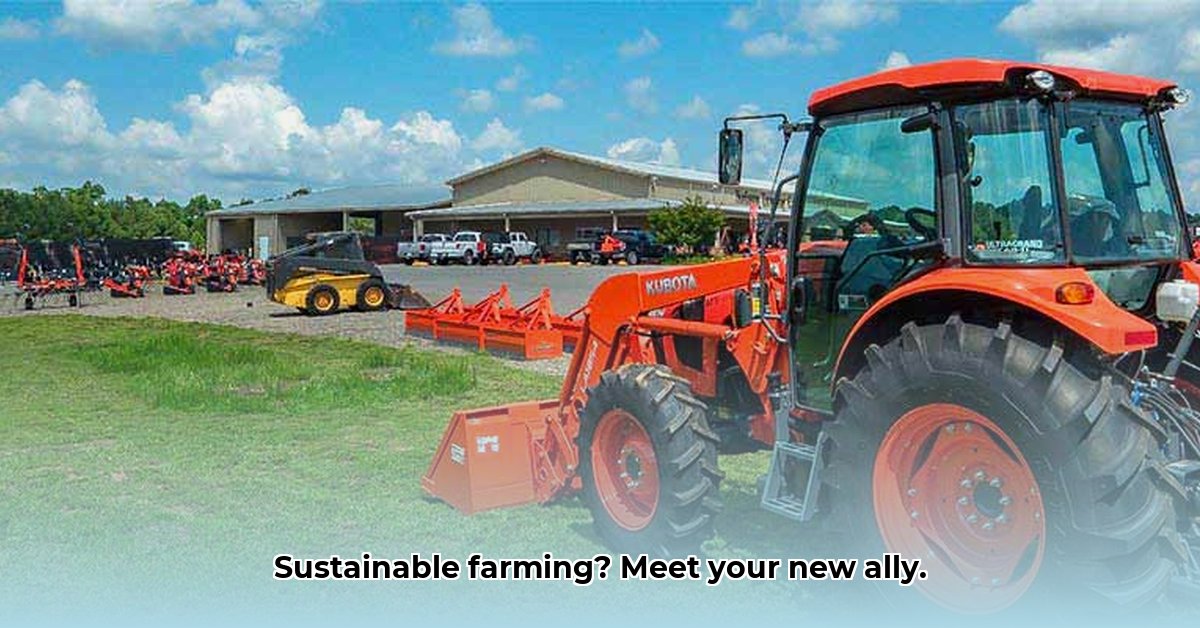
The opening of a new Nelson Tractor dealership in Dalton, Georgia, marks a significant development for sustainable agriculture in the region. This expansion offers easier access to modern, environmentally friendly farming equipment and services, potentially transforming how farmers in North Georgia operate. But will this new location truly deliver on its promise of supporting sustainable practices? This article will delve into the implications of this expansion and provide actionable insights for various stakeholders. For those interested in upcoming agricultural events, check out the Georgia tractor pulls schedule.
Easier Access to Sustainable Farming Equipment
For North Georgia farmers, obtaining and maintaining specialized equipment has historically presented significant challenges. Long distances to dealerships resulted in wasted time and increased costs for repairs and maintenance. The Dalton location significantly shortens travel times for many farmers. This increased accessibility is particularly beneficial for those adopting sustainable practices, which often involve specialized tools and timely service. This convenience alone could significantly improve efficiency and reduce operational expenses, but is this enough to drive real, lasting change?
Beyond Convenience: A Focus on Sustainable Services
Nelson Tractor Dalton distinguishes itself by offering specialized support for sustainable farming. The dealership isn't merely selling tractors; it's providing expert advice, ensuring proper equipment maintenance, and assisting farmers in maximizing efficiency. This commitment to service directly supports sustainable practices by reducing waste, enhancing yields, and promoting the longevity of equipment. But the success of this initiative goes beyond simply selling sustainable equipment. The dealership must also demonstrate a commitment to environmental responsibility within its operations and supply chain.
Sustainability: A Holistic Approach
The true impact of Nelson Tractor Dalton on sustainable agriculture depends on a comprehensive commitment to sustainability throughout the business. It’s crucial to examine their sourcing practices to understand how environmentally conscious their supply chain is. Their dedication to minimizing energy consumption and waste management at the Dalton facility will also greatly influence their overall sustainability profile. How much emphasis is being placed on selling equipment specifically developed for environmentally friendly farming? These questions demand transparent answers.
What percentage of Nelson Tractor's sales are dedicated to sustainable farming equipment, and how will they measure the success of their sustainability initiatives? Transparency is key to gaining the trust of environmentally conscious farmers.
Actionable Steps for Sustainable Farming in North Georgia
Realizing the potential for positive change requires a collaborative effort among farmers, the dealership, and local government. The following steps outline key actions for each group:
Sustainable Farmers:
- Short-Term (0-1 year): Explore equipment options offered by Nelson Tractor, investigate available financing plans, and thoroughly assess the quality of their services.
- Long-Term (3-5 years): Invest in fuel-efficient technologies, prioritize precision agriculture techniques, and continuously adopt additional sustainable farming practices.
Nelson Tractor Co.:
- Short-Term (0-1 year): Conduct thorough market research to understand the demand for sustainable farming equipment and invest in comprehensive training for employees on sustainable farming techniques.
- Long-Term (3-5 years): Publish annual sustainability reports detailing their progress, and invest in renewable energy sources for the Dalton location. Explore carbon offsetting strategies to further reduce their environmental footprint. How will Nelson Tractor measure their progress? What metrics will they use to assess their impact?
North Georgia Government:
- Short-Term (0-1 year): Allocate funds for infrastructure improvements to better support sustainable farming and sponsor training programs for farmers interested in adopting sustainable methods.
- Long-Term (3-5 years): Develop comprehensive regional sustainability strategies and invest in research and development of new sustainable technologies and farming methods. How will local governments ensure that these funds are used effectively?
Conclusion: A Promising but Unfolding Story
The Nelson Tractor Dalton expansion presents a significant opportunity to advance sustainable agriculture in North Georgia. However, its long-term success hinges on the dealership's continuous and transparent commitment to sustainable practices. While the initiative is undeniably a positive development, the true impact will depend on their proactive engagement with environmental sustainability across all aspects of their operations. The future of sustainable farming in the region remains promising, but the complete picture is still unfolding.